Understanding Integrated Modular Systems
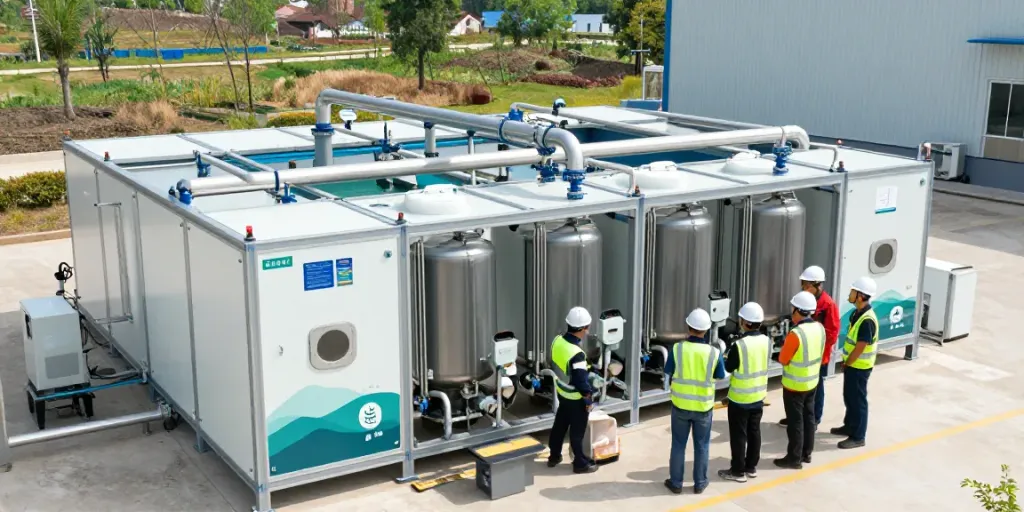
Integrated Modular Systems (IMS) are revolutionizing the way industries approach complex operational challenges, particularly in water treatment. By utilizing a cohesive framework that combines multiple functional modules into a single, coherent structure, IMS provide an efficient, scalable solution. These systems are designed to address specific needs, integrating technology and methodologies that streamline processes and enhance performance. When exploring options, Integrated Modular Systems provide comprehensive insights into the benefits and applications available today.
What Are Integrated Modular Systems?
Integrated Modular Systems are advanced solutions designed to unify separate functions into a single operational unit. These systems can range from simple aggregates of components to complex networks that facilitate various operations within a manufacturing or treatment process. The modular approach allows for flexibility, enabling businesses to adapt to changing demands while minimizing downtime during upgrades or expansions.
Key Components of Integrated Modular Systems
Each Integrated Modular System typically comprises several key components:
- Modular Units: These are the individual functional blocks that can be easily assembled, disassembled, or reconfigured based on operational needs.
- Control Systems: Advanced software and monitoring technologies that optimize the performance of each module.
- Connectivity Interfaces: These ensure seamless communication between different modules and systems.
- Support Structures: Physical frameworks that house the modules and provide mechanical support.
The Evolution and Future of Integrated Modular Systems
The development of Integrated Modular Systems has been propelled by rapid technological advancements and the growing need for efficiency in various industries. With increasing pressure to reduce operational costs and enhance environmental sustainability, modular systems have emerged as key enablers of innovative process improvements. Looking ahead, the integration of AI and machine learning is expected to further enhance the capabilities of these systems, enabling predictive maintenance and advanced process optimizations.
Benefits of Integrated Modular Systems
Why Choose Integrated Modular Systems for Water Treatment?
When it comes to water treatment, Integrated Modular Systems offer a range of advantages that make them the preferred choice for many operators:
- Customization: Each system can be tailored to meet specific requirements, allowing for optimized water treatment based on local conditions and regulations.
- Scalability: Modular components enable facilities to easily expand their systems as demand grows or operational needs change without significant downtime.
- Reduced Footprint: By integrating multiple functions into a single system, IMS help reduce the overall space required for operations.
Cost-Effectiveness and Operational Efficiency
One of the primary benefits of adopting Integrated Modular Systems is their potential for significant cost savings. By streamlining processes and reducing the need for extensive infrastructure, companies can lower capital expenditures and operational costs. Additionally, the efficiency of these systems can lead to lower energy consumption and reduced waste disposal costs, which further enhances their economic viability.
Environmental Impact and Sustainability Benefits
In an era where sustainability is paramount, Integrated Modular Systems present environmentally friendly solutions. By optimizing water treatment processes, these systems help minimize chemical usage and energy consumption, thereby reducing emissions associated with traditional treatment methods. Furthermore, many IMS incorporate advanced waste management features that facilitate the safe disposal or reuse of byproducts, aligning operational practices with environmental goals.
Common Applications of Integrated Modular Systems
Wastewater Treatment Solutions
Integrated Modular Systems are widely used in wastewater treatment, where their adaptability and efficiency can significantly impact local environments. For example, facilities can implement modular treatment systems that cater specifically to the requirements of municipal or industrial wastewater, ensuring compliance with regulatory standards while optimizing resource use.
Sludge Dewatering Technologies
Sludge dewatering is another critical application for Integrated Modular Systems. By employing advanced mechanical and chemical methods within a compact modular framework, operators can effectively reduce the volume of sludge while improving the quality of the treated water. Techniques like the Dissolved Air Flotation (DAF) method integrated with chemical dosing exemplify how modular systems can enhance operational performance in sludge management.
Chemical Treatment Applications
Chemical treatment technologies benefit significantly from modular integration. By offering systems that incorporate chemical dosing, mixing, and reaction processes, Integrated Modular Systems can ensure consistent treatment performance tailored to varying water quality conditions. This flexibility is especially beneficial for applications needing rapid response to changing influent characteristics.
Choosing the Right Integrated Modular System for Your Needs
Factors to Consider When Selecting a System
Choosing the appropriate Integrated Modular System involves considering several factors, including process requirements, regulatory compliance, and potential for future expansion. Operators should evaluate the specific technologies offered and how well they integrate with existing processes to ensure compatibility and performance.
Customization Options and Scalability
Many manufacturers provide customizable solutions that can be adapted to different operational scenarios. It's crucial to discuss with suppliers the specific needs of your operation, including material compatibility, expected flow rates, and treatment objectives, to ensure the selected solution provides the necessary scalability.
Cost Implications and Budgeting for Installation
Budgeting for the installation of Integrated Modular Systems requires careful consideration of both initial setup costs and long-term operational expenses. While modular systems can offer lower upfront costs by requiring less infrastructure, ongoing maintenance and operational efficiencies should also be factored into the total cost of ownership.
Future Trends in Integrated Modular Systems
Emerging Technologies and Innovations
The future of Integrated Modular Systems will be shaped by emerging technologies such as IoT, AI, and data analytics. These innovations promise to increase operational efficiencies, improve monitoring and control capabilities, and provide operators with insights that enable proactive decision-making.
Industry Predictions for 2026 and Beyond
Industry experts predict that by 2026, the demand for Integrated Modular Systems will continue to grow, driven by an increased focus on sustainability and efficiency in water treatment. As regulations tighten globally, businesses will likely turn to these systems to remain compliant while optimizing their operations.
Preparing for Regulatory Changes and Environmental Standards
As environmental regulations evolve, it’s essential for operators to stay ahead of potential changes impacting modular systems. Implementing Integrated Modular Systems can facilitate compliance with stringent standards, as they often incorporate features designed to meet or exceed current regulations in wastewater management and chemical treatment.
What is an example of a modular system?
An example of a modular system is the Integrated Membrane Water Treatment System that utilizes membranes to remove contaminants effectively while allowing flexibility in its design and application. This system is particularly useful in varying water quality scenarios.
How much does a modular system cost?
The cost of modular systems can vary significantly based on the components selected, the complexity of the installation, and the degree of customization required. Typically, however, these systems can be more economical than traditional setups, particularly regarding lower operational costs over time.
What is modular integrated construction?
Modular integrated construction refers to the approach of constructing buildings or systems in sections or modules that can be pre-fabricated off-site and shipped to the final location for assembly. This method improves efficiency and reduces construction time compared to traditional methods.
What is the difference between modular and integrated design?
While modular design focuses on creating pre-fabricated components that can be combined in various configurations, integrated design emphasizes the seamless functionality and connection between those components to enhance overall system performance.
How can integrated modular systems improve efficiency?
Integrated Modular Systems improve efficiency by minimizing the need for extensive infrastructure, allowing for quicker installation and easier system upgrades. Their adaptability ensures that operations can be adjusted without significant disruptions, contributing to a more streamlined process overall.