Understanding the Role of a Real Estate Photographer
Defining Real Estate Photographer's Responsibilities
A Real Estate Photographer is a professional who specializes in capturing high-quality images of properties to help real estate agents, property managers, and homeowners effectively market their listings. The responsibilities consist of not just snapping photo after photo, but also utilizing technical skills and artistic vision to create compelling images that convey the best features of a property.
Among the key duties, a real estate photographer must communicate effectively with clients to understand their requirements, scout locations to find the best angles, select appropriate lighting, and perform post-processing to enhance the photographs' appeal. Additionally, they may need to coordinate with stakeholders such as real estate agents, homeowners, and staging professionals.
The Impact of Quality Images on Real Estate Sales
High-quality images serve as a critical tool in the real estate sales process. Numerous studies have shown that listings with professional photographs receive significantly more views compared to those with average images. A property presented with sharp, well-composed photographs can create a strong first impression and elicit an emotional response from potential buyers. This often translates to quicker sales and higher selling prices.
Moreover, in a competitive market, distinctive and appealing visuals can help a listing stand out, thus directly influencing a buyer's decision. Understanding the market trends and aligning photography with marketing strategies can enhance an agent's effectiveness in closing deals.
Skills Needed to Succeed as a Real Estate Photographer
To thrive as a real estate photographer, one must possess a blend of both technical and soft skills. Technical skills include proficiency in using DSLRs or mirrorless cameras, understanding exposure settings, and the ability to manipulate lighting—natural and artificial—to achieve the desired effects. Additionally, knowing how to use photo editing software such as Adobe Photoshop or Lightroom can significantly enhance the outcome.
On the soft skill side, effective communication is essential as it fosters good relationships with clients, ensuring that their needs and expectations are met. Strong organizational skills are also beneficial, particularly in managing schedules, deliveries, and maintaining client databases. Continual learning, whether through workshops or online courses, will also keep a photographer updated with the latest photography trends and technologies.
Essential Equipment for Real Estate Photography
Camera and Lens Recommendations for Real Estate Photographer
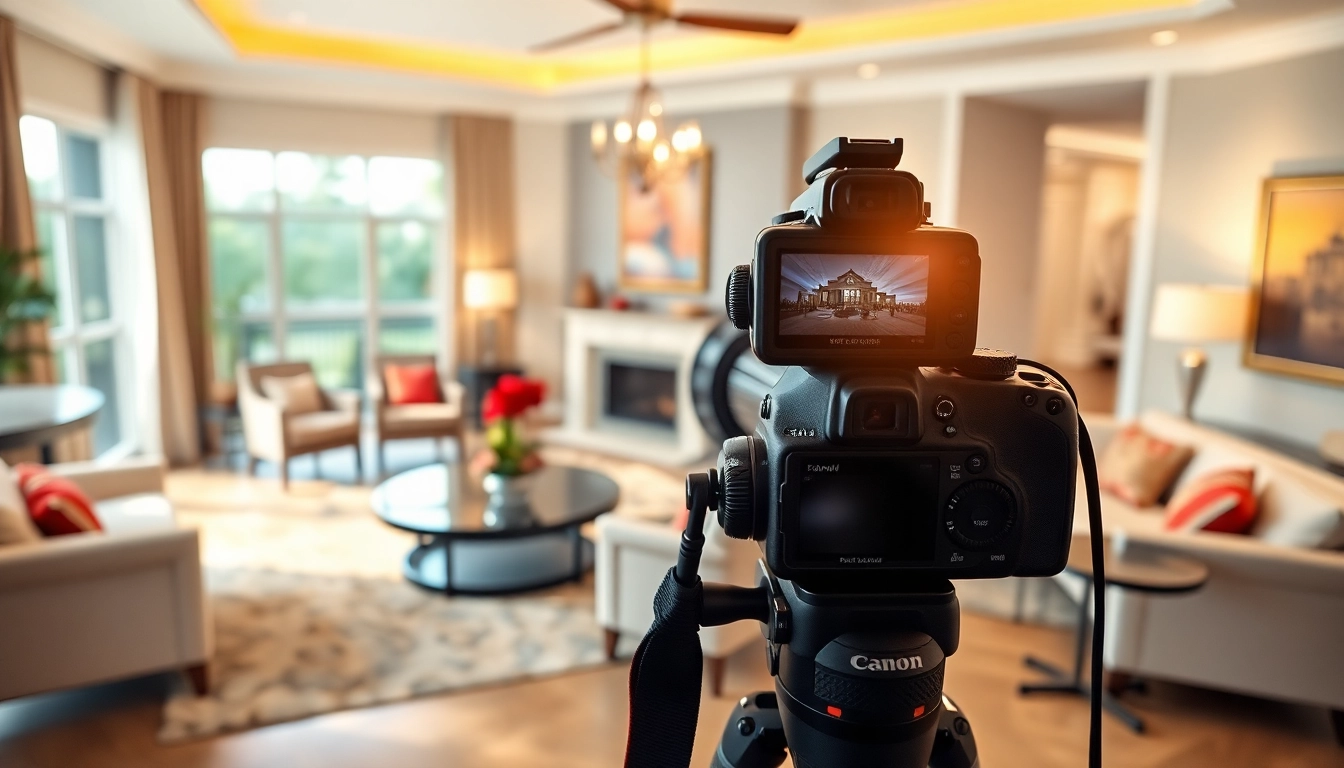
The choice of camera and lens is vital for a Real Estate Photographer as they directly impact image quality. A high-resolution DSLR or mirrorless camera with a full-frame sensor is ideal, as it enables larger prints and superior low-light performance.
A wide-angle lens, particularly in the range of 10-24mm for crop sensors or 16-35mm for full-frame cameras, is particularly useful for capturing the entire scope of a room and small spaces effectively. These lenses help avoid distortion while maintaining straight lines and proportionate perspectives, which is crucial in real estate photography.
Lighting Equipment: Natural vs. Artificial
Lighting plays a crucial role in setting the mood and highlighting the features of a property. A real estate photographer must know how to leverage both natural and artificial lighting to enhance their images. Natural lighting, typically best during the golden hour, creates warm, inviting photos, while artificial lighting is useful for interior shots or poorly lit rooms.
Using external flashes or continuous lighting kits can fill in shadows and create even lighting throughout a property. Light diffusers and reflectors also help soften harsh light and create balanced shots. Mastering hands-on techniques enables photographers to adapt to the unique lighting situations of different properties.
Editing Tools Every Real Estate Photographer Should Use
Post-processing is an integral step in real estate photography. Software like Adobe Lightroom and Photoshop can elevate standard photographs to professional-grade images. Essential editing techniques include color correction, exposure adjustments, and perspective corrections to fix lens distortions.
Batch processing for similar photos can save time during editing sessions. Furthermore, using plugins such as Luminar can add creative elements like sky replacements or advanced retouching capabilities, further enhancing the appeal of the images presented to clients.
Techniques for Capturing Perfect Property Images
Framing and Composition Tips for Real Estate Photographer
Good composition helps convey the storytelling aspect of each property. Utilizing classic techniques such as the rule of thirds, leading lines, and symmetry can draw a viewer's eye naturally. A real estate photographer should make an effort to maintain straight horizons and proper vertical lines to avoid a crooked appearance.
Framing is about finding unique angles that showcase the property's strengths. Capturing pictures from various heights – knee level for smaller rooms or elevated angles for outdoor spaces – provides variety and a fresh perspective. Additionally, staging areas prior to shooting can eliminate clutter and enhance visual appeal.
Utilizing Natural Light Effectively
Maximizing natural light can significantly improve the quality of real estate photographs. Strategically planning a shoot for times when the property is illuminated naturally—ideally in the morning or late afternoon—can yield stunning shots. Opening curtains and removing dark furniture or objects helps reflect light and brighten up spaces.
Moreover, if shadows become an issue, using reflectors or strategically placed artificial lights can mitigate the harshness while maintaining the integrity of the natural setup.
Advanced Techniques: Aerial and Drone Photography
Introduction of aerial and drone photography has revolutionized real estate imagery by providing birds-eye views of properties and their surroundings. Aerial shots allow potential buyers to grasp the entire property layout and its proximity to essential landmarks.
Drones equipped with high-resolution cameras give an advantage in showcasing larger properties, estates, or any unique outdoor features. It’s important for photographers to ensure their compliance with local regulations regarding drone usage and to be mindful of no-fly zones.
Creating an Effective Portfolio as a Real Estate Photographer
Showcasing Your Best Work
A photographer’s portfolio acts as a first impression to potential clients and should ideally showcase the best work, focusing on different types of properties ranging from luxurious estates to cozy homes. Including a variety of styles—interior shots, exteriors, aerial views, and unique architecture—demonstrates an ability to cater to diverse needs.
Quality over quantity is essential. Potential clients are more likely to be impressed by a carefully curated selection of striking images than by a large number of mediocre ones. Additionally, including case studies or testimonials can establish credibility and enhance marketability.
Best Practices for a Digital Portfolio
In today's digital age, an online portfolio is fundamental. It must be user-friendly, visually appealing, and mobile-responsive. Categorization of images by property type allows for easier navigation, and a clean, minimalist layout helps the work to stand out without distractions.
Investing in a personalized website with a custom domain name exudes professionalism. Regularly updating the portfolio with recent work keeps potential clients engaged and showcases ongoing growth and skill development.
Marketing Your Portfolio to Real Estate Agents
Marketing strategies can significantly impact the visibility of a real estate photography portfolio. Networking with real estate agents, leveraging social media platforms like Instagram and Pinterest, and participating in real estate expos can boost a photographer's outreach efforts.
Offering introductory rates or package deals can entice agents to take the first step and experience the quality of work firsthand. Collaborating with real estate firms for consistent business can foster long-term relationships and clientele retention.
Building a Successful Career as a Real Estate Photographer
Networking Strategies with Real Estate Professionals
Networking is vital in building a successful career as a real estate photographer. Joining local real estate associations, attending open houses, and connecting with real estate agents through social media can lead to collaborative opportunities. Building relationships fosters trust, increasing the likelihood of referrals.
It's also effective to host workshops to educate agents about the value of professional photography, which can lead to stronger working relationships and greater exposure in the industry.
Finding Your Niche in the Real Estate Photography Market
Finding a niche can set a photographer apart in an overcrowded market. This could be specializing in luxury real estate, focusing on residential vs. commercial properties, or developing expertise in certain types of photography like 3D virtual tours. Understanding the local market and demand can guide the choice of niche.
Consideration of the target audience's preferences, adjusting marketing strategies, and enhancing skillsets to fit the niche can aid in positioning oneself as an authority, thus attracting the right clientele.
Continued Learning and Professional Development
The field of real estate photography is dynamic, continually evolving with advancements in technology and new trends. Engaging in workshops, attending expos, and investing time in online courses facilitates continual learning. Networking with other professionals can provide insight into innovative techniques or strategies.
Certification programs focused on software or specific photography techniques can enhance credibility and attract clients. Additionally, staying updated with industry publications or photography blogs can provide timely tips and inspiration.
Frequently Asked Questions
1. What equipment do I need to start as a real estate photographer?
You will need a high-quality camera, wide-angle lens, tripods for stability, and light equipment. Editing software like Adobe Lightroom or Photoshop is also essential for post-processing.
2. How much should I charge for real estate photography?
Pricing can vary based on experience, location, and project size, but a typical range is $150 to $500 per shoot. Consider package deals for more extensive projects.
3. Is real estate photography a sustainable career?
Yes, real estate photography can be a sustainable career as long as you continuously network, adapt to industry changes, and showcase your best work consistently.
4. How important is post-processing in real estate photography?
Post-processing is crucial as it enhances image quality by correcting exposure, eliminating distractions, and adjusting colors, ensuring the best representation of a property.
5. Can I specialize in different types of photography?
Absolutely! Many photographers find it beneficial to offer various services like weddings, portraits, or architectural photography. Diversifying can attract a broader clientele.