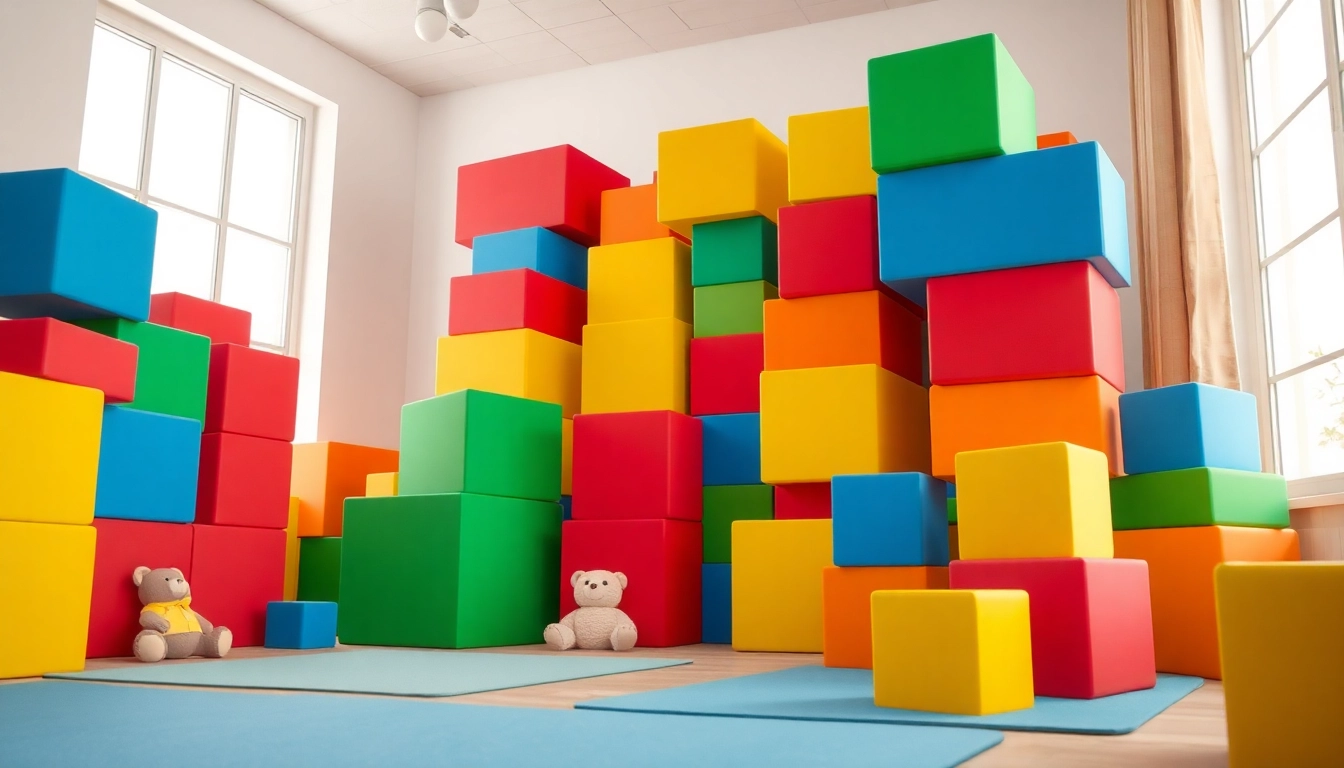
The Benefits of Giant Foam Building Blocks
Promoting Physical Activity
Giant foam building blocks offer an excellent way to get children moving while engaging with their environment creatively. Unlike traditional toys, these blocks encourage kids to climb, jump, and stretch, promoting gross motor skill development. When children stack and balance these large, lightweight blocks, they utilize various muscle groups, enhancing their coordination and strength. More importantly, this type of play ensures that they are not only entertained but also physically active, which is crucial in combating childhood obesity and instilling healthy long-term habits.
Enhancing Creativity and Imagination
The versatility of giant foam blocks makes them a fantastic tool for enhancing children's imaginative play. These blocks can easily transform into anything from towering castles to spacecraft. The open-ended nature of this type of play allows children to create their own narratives and prompts critical thinking as they figure out how to build their desired structures. By encouraging creativity and imaginative thinking, children develop problem-solving skills and learn to work through challenges systematically, making playtime an invaluable educational experience.
Encouraging Social Interaction
Playing with giant foam building blocks is a quintessential group activity that fosters social skills among children. Whether in a classroom, playground, or home setting, these blocks offer opportunities for collaborative play. Children learn teamwork as they build together, share ideas, and negotiate roles within their play. Such experiences contribute to the development of important social skills like communication, empathy, and conflict resolution. Overall, giant foam blocks create a perfect environment for children to bond over shared adventures, making friendships flourish.
Choosing the Right Foam Blocks
Evaluating Safety Standards
When selecting giant foam building blocks, safety is paramount. Look for products that meet ASTM (American Society for Testing and Materials) standards for children’s toys, which ensure they are made from non-toxic materials. Additionally, check for features such as rounded edges and soft surfaces to minimize the risk of injury during play. It’s also essential to ensure that the foam is dense enough to withstand the rough-and-tumble nature of play without crushing, protecting children further.
Understanding Size and Shape Variations
Different shapes and sizes of foam building blocks can impact how children interact with them. While larger blocks are great for constructing stable structures, small blocks can introduce more intricate designs. Mixed sets that include various shapes—rectangles, squares, cylinders—add an element of complexity and greater engagement. Understanding how each size and shape can be used effectively allows you to cater to specific learning and play objectives, ensuring children are constantly challenged and engaged.
Color and Texture Considerations
Children are naturally drawn to vibrant colors and varying textures, which can significantly enhance their interest in play. When selecting foam building blocks, opt for a selection that includes a variety of bright colors to stimulate visual development. Additionally, incorporating textures can enhance sensory experiences. For example, some blocks may have a smooth surface while others might incorporate ribbed or bumpy textures. This multisensory approach makes play more stimulating and enjoyable.
Creative Play Ideas with Foam Blocks
Building Scenarios for Role Play
Role play is critical in child development, providing a foundation for emotional and social growth. Using foam blocks, children can create themed environments that inspire storytelling, such as building a zoo, castle, or space station. These scenarios not only enhance their imaginative play but also allow them to explore different perspectives and roles, contributing significantly to their emotional intelligence.
Incorporating Learning Objectives
Foam blocks can also be used as educational tools that blend fun with learning. For example, children can practice counting by stacking a certain number of blocks or learn about basic geometry by building different shapes. Teachers and caregivers can create games that include sorting blocks by color or size or measure the height of structures for lessons in measurement. This way, children receive crucial academic foundations through an enjoyable play experience.
Engaging Group Activities
Foam blocks facilitate various group activities, making them ideal for playdates or classroom settings. Group challenges, such as building the tallest tower within a set time frame, can encourage cooperation and teamwork. Alternatively, you can set up relay races where kids must transport blocks to specific locations without dropping them. These activities not only engage children physically but also enhance their ability to work collaboratively while ensuring they are having fun.
Maintaining and Caring for Foam Blocks
Cleaning Practices
To extend the life of your giant foam building blocks, regular cleaning is necessary. Use a solution of mild soap and warm water to wipe down the surfaces of the blocks. It’s best to avoid bleach or harsh chemicals that could damage the foam integrity. After cleaning, allow the blocks to air dry completely before storage to prevent mildew or mold. Establish a cleaning routine to keep them hygienic and fresh, especially if used frequently by multiple children.
Storage Solutions
Proper storage of foam blocks is crucial to maintaining their durability and preventing any damage. If possible, designate a specific storage area where blocks can be neatly stacked. Utilizing shelving can help prevent blocks from becoming a hazard in play areas. Vertical storage can save space and keeps the blocks organized, while bins can protect them from dust and moisture. Label storage areas to encourage children to participate in clean-up, teaching them accountability and organization skills.
Regular Inspections for Safety
Safety should never take a backseat when it comes to children's play equipment. Conduct regular inspections of foam building blocks to check for signs of wear, such as cracks, tears, or compression. If any damage is identified, remove those blocks from play to prevent accidents. Reinforcing safety checks creates a secure play environment and teaches children the importance of maintaining their toys.
Frequently Asked Questions
What age group are foam building blocks suitable for?
Foam building blocks are great for children of all ages, particularly toddlers and preschoolers who benefit from soft materials. They can be adapted for older children through creative and collaborative play.
Are giant foam blocks safe for indoor use?
Yes, they are designed with safety in mind, featuring rounded edges and soft materials to prevent injuries during play. Their lightweight nature makes them perfect for indoor environments.
How should I clean foam building blocks?
Use mild soap and water to wipe down surfaces, then let them air dry. Avoid harsh chemicals that could damage the foam, ensuring they remain safe and hygienic for play.
Can foam blocks be used outdoors?
While they can be used outdoors, they should be stored inside to protect them from moisture and UV damage. Limit exposure to harsh weather elements to prolong their lifespan.
How do I store large foam blocks?
Store them in a cool, dry place, stacking them vertically or horizontally to save space and keep them organized. Proper storage will prevent damage and make them easy to access.
For those seeking to dive deeper into this engaging topic, you can find more details on how to enhance play experiences with giant foam building blocks.