Understanding Bed Bug Infestations
What are Bed Bugs?
Bed bugs are small, nocturnal insects that feed on the blood of humans and animals. Measuring about 4 to 5 mm in length, these reddish-brown parasites are incredibly elusive and often go unnoticed until an infestation occurs. They are known for their ability to reproduce rapidly, leading to significant populations in a short time. Bed bugs are resilient, able to survive without a meal for several months, making eradication challenging. Due to their flat bodies, they can easily hide in crevices, including mattress seams, furniture, and even behind wallpaper.
Signs of Infestation
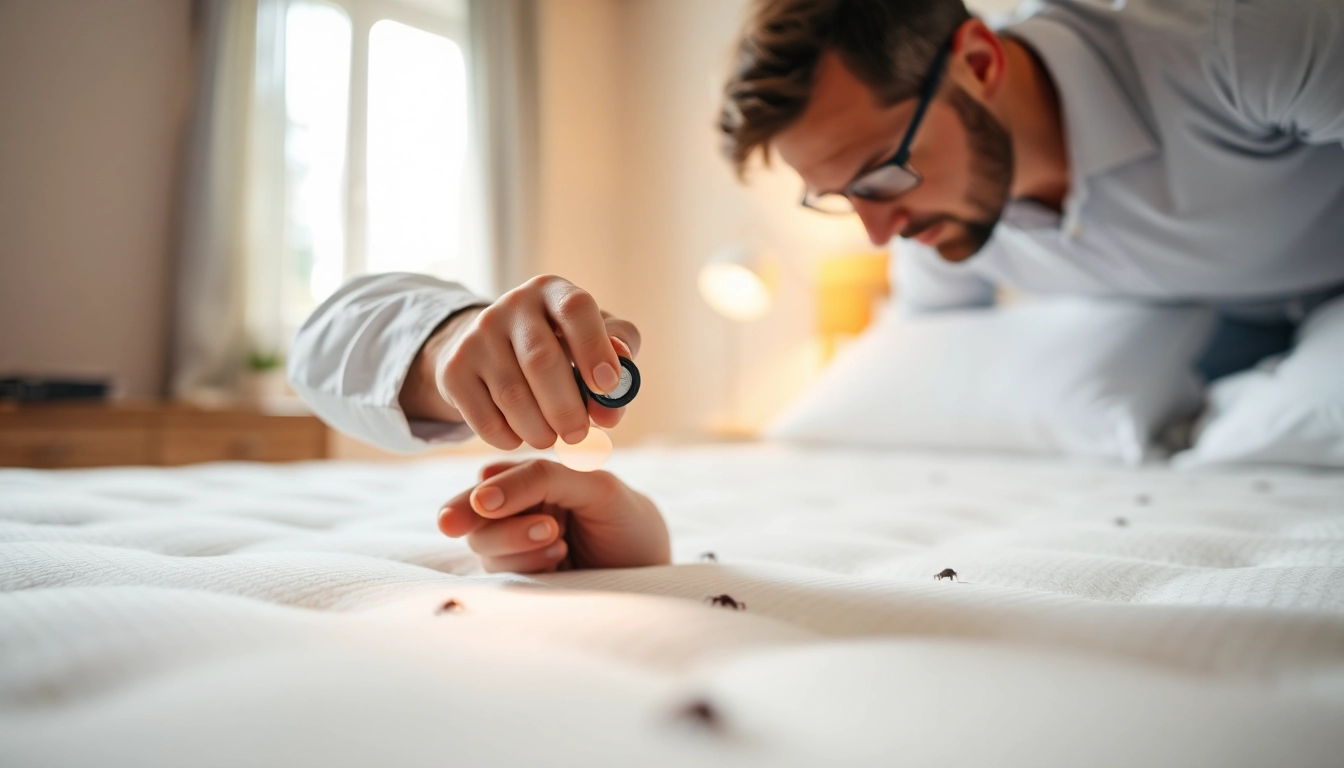
Identifying bed bug infestations early can save you from extensive treatment efforts. Common signs include:
- Visible bed bugs in places like bed frames, mattresses, and furniture.
- Dark spots (bed bug excrement) on sheets or mattress seams.
- Unexplained red, itchy bites on the skin, usually in a linear pattern.
- Eggs and shed skins, which are small and translucent.
Causes of Bed Bug Problems
Bed bugs often hitch a ride into homes via luggage, clothing, or second-hand furniture. They are particularly common in multi-unit buildings where they can easily spread from one apartment to another. Increased travel, especially international trips, has also contributed to the rising incidences of infestations. Poor sanitation and clutter can provide ideal conditions for bed bugs to thrive.
Effective Bed Bug Treatment Methods
Professional Bed Bug Treatment Solutions
Engaging a professional pest control service is one of the most effective methods for tackling a severe bed bug infestation. Common professional treatments include:
- Heat Treatments: This method involves raising the temperature of infested areas above 120°F (49°C) for several hours to kill bed bugs at all life stages.
- Chemical Treatments: Professionals apply insecticides that are specifically effective against bed bugs. These treatments might require multiple applications for success.
- Fumigation: In severe cases, fumigation may be necessary, sealing the property and using gas to eradicate bed bugs.
DIY Bed Bug Treatment Techniques
For less severe infestations, homeowners might opt for do-it-yourself (DIY) treatment methods. Effective DIY techniques include:
- Vacuuming: Regular vacuuming of infested areas can significantly reduce bed bug populations. Be sure to empty the vacuum immediately to prevent re-infestation.
- Washing and Drying Linens: Washing bedding and clothing in hot water and drying on high heat can help kill bed bugs and their eggs.
- Using Diatomaceous Earth: Sprinkling this natural powder in infested areas can dehydrate and kill bed bugs upon contact.
Natural Remedies for Bed Bugs
While less effective than commercial treatments, natural remedies can reduce bed bug populations. Some methods to consider include:
- Essential Oils: Oils like tea tree, lavender, and peppermint can repel bed bugs but are typically not lethal.
- Cold Treatments: Placing items in a freezer for at least four days can kill bed bugs and eggs.
Preparation for Bed Bug Treatment
Steps to Prepare Your Home
Proper preparation is essential to maximize the effectiveness of bed bug treatment. Key preparation steps include:
- Remove all bedding and wash it, as mentioned above.
- Vacuum the entire house thoroughly, especially in areas surrounding infested zones.
- Clear clutter around the affected areas, which provides hiding spots for bed bugs.
Handling Belongings Pre-treatment
When preparing for treatment, consider the following for your belongings:
- Seal items in plastic bags to prevent the spread of bed bugs.
- Store cleaned items away from infested areas to avoid re-infestation.
Safety Protocols During Treatment
Ensuring safety during bed bug treatment involves:
- Following all instructions provided with chemical treatments closely.
- Preventing children and pets from entering treated areas until it is safe.
Post-treatment Care and Prevention
Signs of Success After Treatment
After treatment, look for signs that indicate the effectiveness of the method employed:
- No new bite marks on household members.
- Absence of new bed bug excrement on surfaces.
- Fewer sightings of live bed bugs in subsequent checks.
How to Prevent Bed Bug Reinfestation
After eradication, implementing preventive measures is crucial:
- Continue monitoring your home for any signs of bed bugs.
- When traveling, inspect hotel rooms and keep luggage elevated off the floor.
- Avoid bringing second-hand furniture into your home without thorough inspection.
Routine Maintenance Techniques
Incorporating routine maintenance can greatly diminish the chances of reinfestation:
- Maintain regular cleaning schedules, vacuuming and laundering as needed.
- Consider using mattress and box spring encasements that protect against bed bugs.
FAQs About Bed Bug Treatment
How do you get rid of bed bugs quickly?
To get rid of bed bugs quickly, vacuum daily, wash bedding in hot water, and contact a pest control professional for rapid treatment options.
What materials do I need for bed bug treatment?
Basic materials include vacuum cleaners, laundry supplies, sealing bags, and possibly chemical treatments or natural remedies such as diatomaceous earth.
How long does bed bug treatment take?
The duration of bed bug treatment varies, but complete eradication may take several weeks, depending on the infestation's severity and treatment used.
Can bed bugs affect my health?
Bed bugs are not known to transmit diseases, but their bites can cause itching, allergic reactions, and insomnia, impacting overall health.
Is bed bug treatment safe for pets?
While many bed bug treatments are safe for pets, it's essential to follow the product safety instructions and keep pets out of treated areas during application.
For comprehensive and effective bed bug treatment, ensure to carefully consider all treatment options and precautionary measures to maintain a bed-bug-free space.