Introduction to Astaxanthin
Astaxanthin is a powerful carotenoid pigment that belongs to the xanthophyll class, primarily derived from algae and certain seafood, giving them their vibrant pink to red hues. This antioxidant has garnered considerable attention due to its potential health benefits, especially in the health and wellness industries. Fascinatingly, astaxanthin serves not only an ecological role in marine ecosystems but also offers numerous advantages to human health. In this comprehensive article, we will delve into the multifaceted aspects of astaxanthin, with a focus on how is astaxanthin produced.
What is Astaxanthin?
Astaxanthin, a red-orange pigment, is classified as a carotenoid, a type of antioxidant. It is renowned for its capacity to combat oxidative stress, which can lead to various chronic diseases. While found naturally in marine life, astaxanthin can also be synthesized and extracted for use in dietary supplements and skincare products. Its remarkable properties make it one of the strongest antioxidants found in nature, outperforming other well-known antioxidants like vitamin C and vitamin E.
The Role of Astaxanthin in Nature
In the natural world, astaxanthin plays a vital role in the survival of certain species. It is produced by microalgae, such as Haematococcus pluvialis, particularly when these organisms face stress conditions like high light intensity or nutrient deprivation. The pigment not only provides a protective function for the microalgae but also gets transferred up the food chain, contributing to the vibrant colors of salmon, shrimp, and flamingos.
Importance of Astaxanthin in Health
Due to its extraordinary antioxidant capacity, astaxanthin is linked to numerous health benefits. It is believed to enhance skin health, improve endurance in athletes, and support cardiovascular health. Moreover, ongoing research is exploring its potential roles in reducing inflammation, and protecting against age-related degeneration, contributing significantly to its popularity in dietary supplements and functional foods.
How is Astaxanthin Produced?
The production of astaxanthin can occur through natural processes or via synthetic methods, each with distinct characteristics and implications. Understanding these methods is crucial for appreciating the complexity behind this powerful antioxidant.
Natural Sources of Astaxanthin
Astaxanthin is primarily derived from natural sources, the most notable being microalgae, which produce the pigment under stress conditions. In particular, Haematococcus pluvialis is recognized as one of the richest sources of astaxanthin. This microalga accumulates astaxanthin to survive unfavorable environmental conditions. Animals like salmon and crustaceans accumulate astaxanthin in their tissues through their diets, which makes them an excellent food source for humans.
Production Through Algal Cultivation
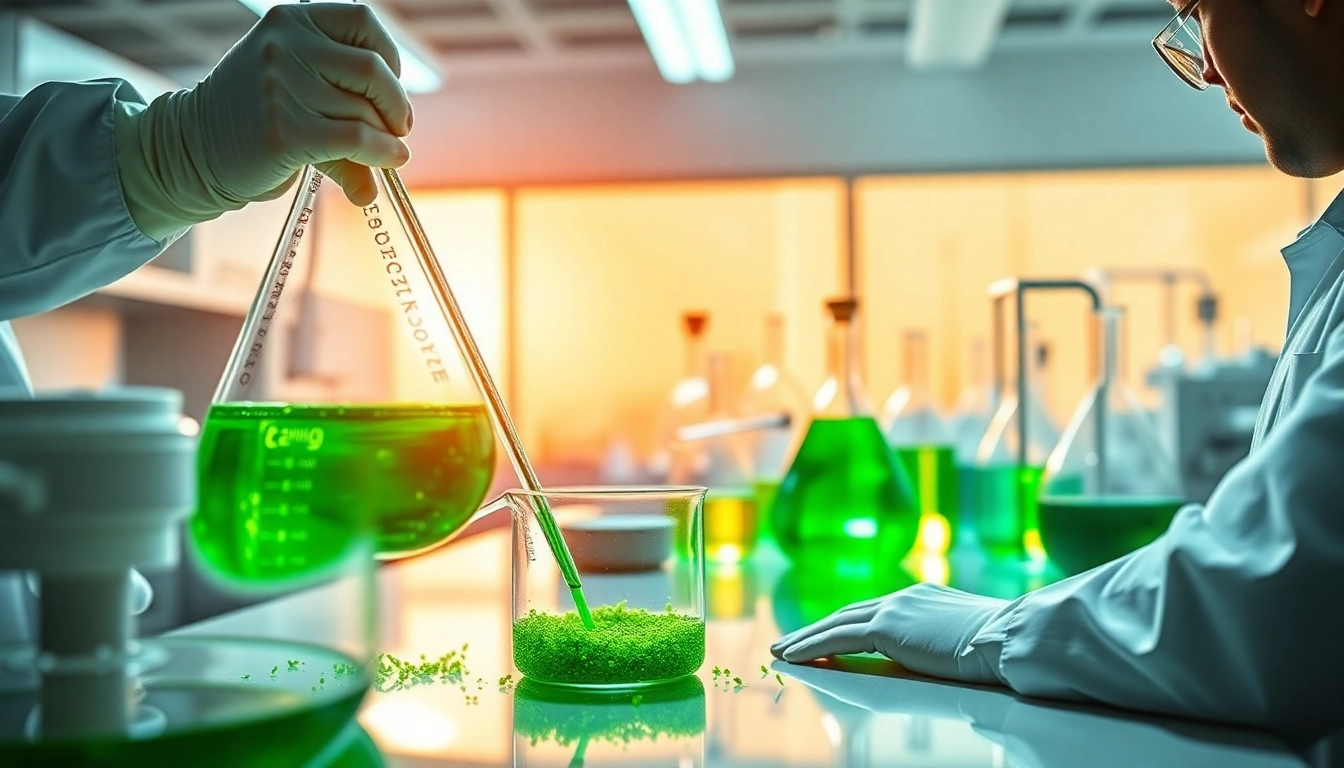
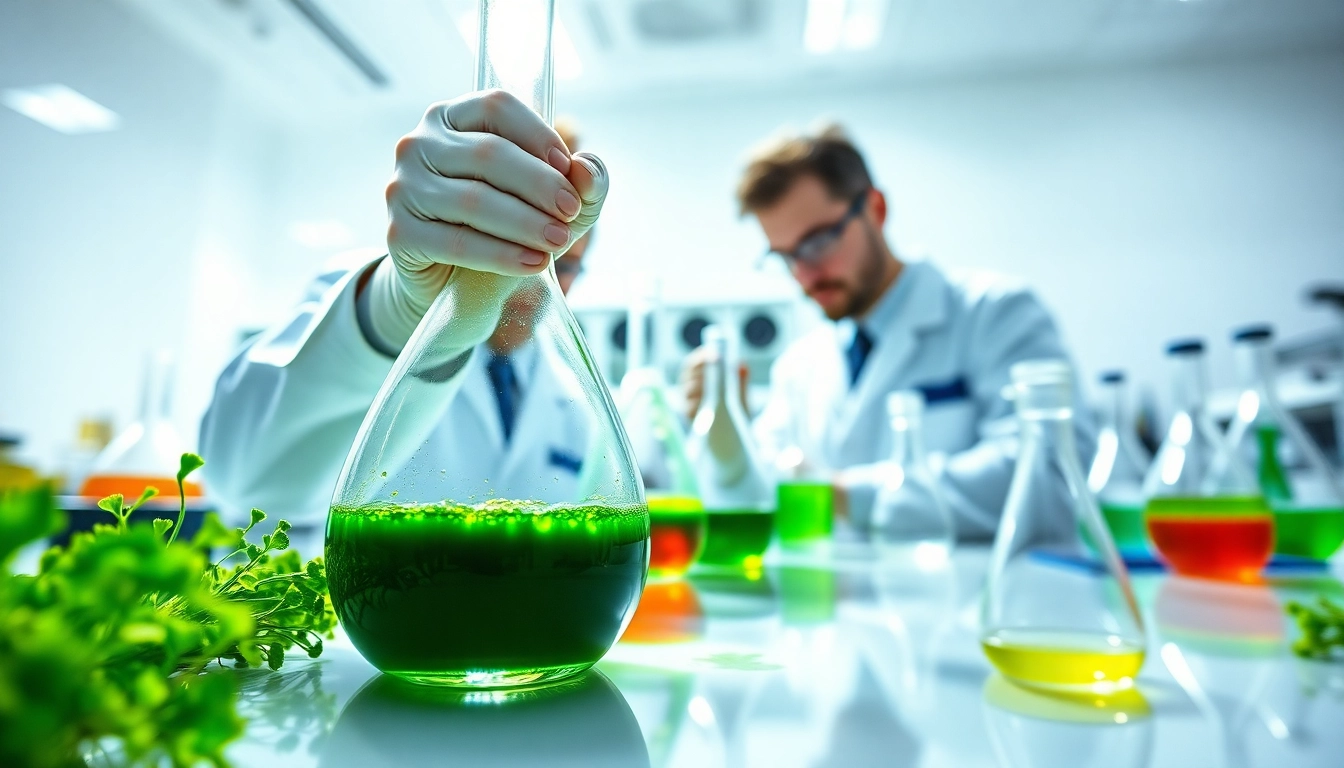
The most sustainable and environmentally friendly method for producing astaxanthin entails algal cultivation. This involves the cultivation of microalgae in controlled environments, where conditions such as light, temperature, and nutrients can be adjusted to optimize asteroid production. The cultivation process can be implemented on small scales in photobioreactors or on larger scales in open ponds. Both methods aim to achieve maximum biomass and, ultimately, maximum astaxanthin content.
Synthetic Versus Natural Astaxanthin Production
Astaxanthin can also be synthetically produced using petrochemical methods. This process, while cost-effective for mass production, lacks the bioavailability and health benefits of natural astaxanthin derived from algae. The synthetic production often involves a series of complex chemical reactions to mimic the structure and functions of naturally occurring astaxanthin. However, the increased demand for natural astaxanthin in food supplements and skincare products has shifted focus back to algal sources, emphasizing sustainability and health benefits.
Extraction Techniques for Astaxanthin
Once astaxanthin is produced, extraction is crucial for its use in various applications. Several methods exist, each offering varying degrees of efficiency and environmental impact. Understanding these techniques sheds light on the processes that deliver this powerful antioxidant into products.
Solvent Extraction Methods
Solvent extraction is a common method employed for astaxanthin extraction. This technique involves using organic solvents like ethanol, hexane, or acetone to dissolve astaxanthin from algal biomass. While effective, it requires careful consideration of solvent recovery and environmental implications, as residual solvents can pose risks if not properly managed.
Supercritical Fluid Extraction
Supercritical fluid extraction (SFE) represents a more advanced extraction method, utilizing supercritical carbon dioxide. This technique enables selective extraction with minimal environmental impact, eliminating the need for harmful solvents. SFE is known for yielding a higher purity of astaxanthin while preserving its antioxidant properties, making it a preferred choice among manufacturers aiming for high-quality products.
Emerging Technologies in Extraction
Recent advancements in extraction technologies have introduced methods like enzymatic extraction and ultrasound-assisted extraction, which offer eco-friendly and efficient means to extract astaxanthin. These technologies often result in higher yields and reduced energy consumption, emphasizing a trend towards more sustainable practices in astaxanthin production.
Applications of Astaxanthin
The applications of astaxanthin extend across various industries, including health supplements, cosmetics, and food formulations. Understanding these applications highlights the widespread recognition of astaxanthin’s benefits.
Health Supplements
Astaxanthin is prominently featured in dietary supplements, marketed for its antioxidant properties and associated health benefits. It is frequently used to enhance athletic performance, reduce fatigue, and support eye health. The dosage of astaxanthin supplements typically ranges from 2 to 12 mg per day, depending on the intended health benefits.
Cosmetic Products
In the beauty industry, astaxanthin is prized for its skin-protective properties. It is incorporated into creams, serums, and oils, purported to reduce signs of aging, enhance skin hydration, and protect against UV damage. The antioxidant effects of astaxanthin help neutralize free radicals, contributing to healthier skin appearance.
Nutritional Enhancements in Food
Astaxanthin is also utilized as a natural colorant in food products, particularly in seafood, poultry, and nutritional bars. Its vibrant color not only enhances visual appeal but also contributes beneficial health properties, making it a popular ingredient among health-conscious consumers.
Future Trends in Astaxanthin Production
As the demand for astaxanthin continues to grow, particularly in natural formulations, several trends are emerging that could shape its future production. These developments highlight a shift towards sustainability, biotechnology, and market expansion.
Biotechnological Advances
Innovation in biotechnology plays a critical role in astaxanthin production. Genetic engineering and synthetic biology are being explored to enhance astaxanthin yields and improve the resilience of producing organisms against environmental stresses. Such advances may lead to more efficient and sustainable production methods.
Sustainability in Astaxanthin Sourcing
As awareness of environmental issues grows, the push for sustainable practices in astaxanthin production becomes vital. Incorporating renewable energy sources, reducing water consumption, and minimizing waste will be crucial for the future sustainability of astaxanthin sourcing. Brands that embrace these principles are likely to gain consumer trust and loyalty.
The Expanding Market Demand
The global market for astaxanthin is anticipated to continue its upward trajectory, driven by increasing interest in natural health products and preventative health measures. Market research indicates that astaxanthin’s popularity in dietary supplements and cosmetics will contribute significantly to its demand, opening new avenues for innovative applications.
Frequently Asked Questions (FAQs)
What are the main benefits of astaxanthin?
Astaxanthin is known for its antioxidant properties and is believed to support eye health, skin protection, athletic performance, and cardiovascular health.
How is astaxanthin different from other carotenoids?
Astaxanthin has a unique molecular structure that allows it to be one of the strongest antioxidants, offering superior free radical scavenging compared to other carotenoids.
Can I get astaxanthin from my diet?
Yes, you can obtain astaxanthin from foods like salmon, shrimp, and algae, making it a viable addition to a healthy diet.
Is synthetic astaxanthin safe?
Synthetic astaxanthin is generally considered safe for consumption, but natural sources are often preferred due to their bioavailability and health benefits.
How much astaxanthin should I take daily?
The recommended daily dosage of astaxanthin varies, typically ranging from 2 to 12 mg, depending on individual health needs and conditions.