Understanding Pipeline Rehabilitation CIPP Liner
Pipeline rehabilitation is a critical aspect of maintaining the efficiency and safety of municipal and industrial systems. The Pipeline Rehabilitation CIPP Liner technology is one of the most innovative methods for restoring aging pipelines without the need for extensive excavation. This approach minimizes disruption, reduces costs, and prolongs the lifespan of existing infrastructure. In this article, we will delve into the fundamentals of CIPP liners, the benefits of using this technology, how it works in pipeline rehabilitation, as well as cost factors, implementation processes, challenges, and answers to frequently asked questions.
What is CIPP Liner?
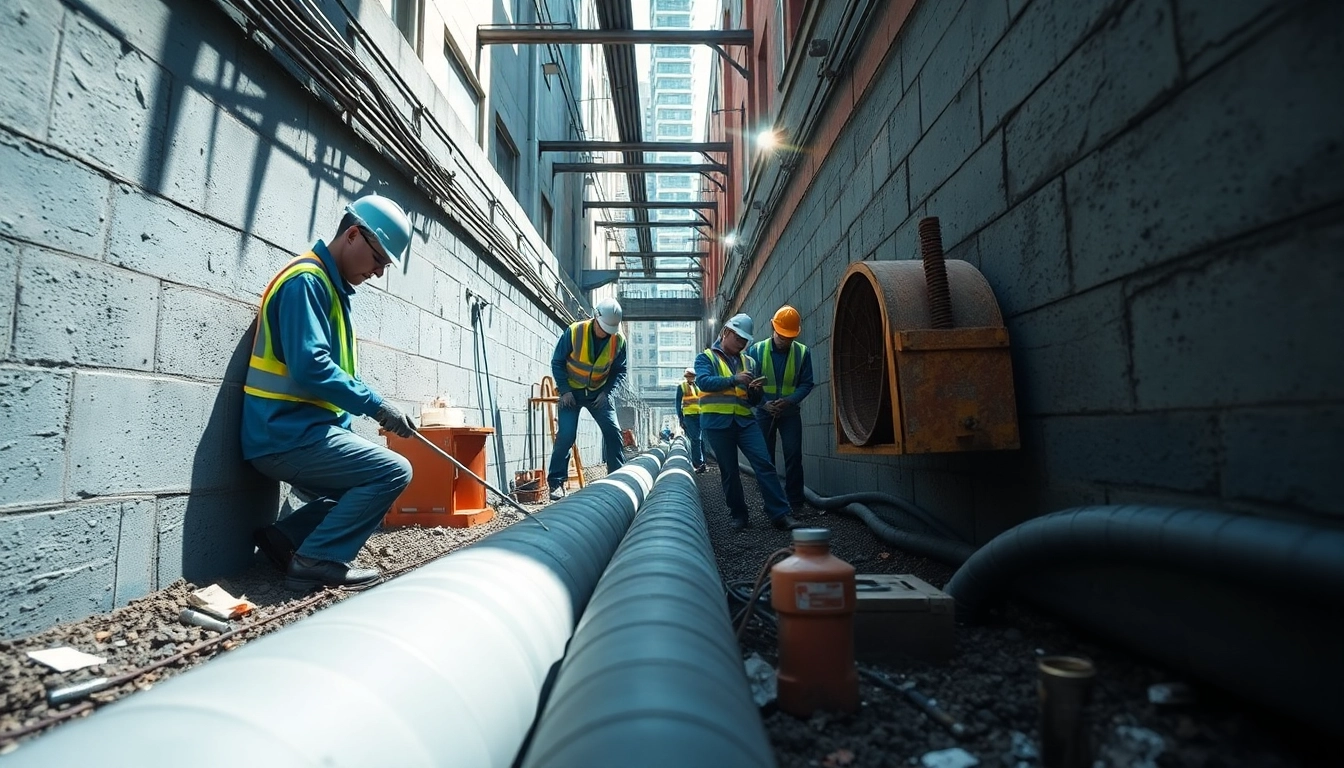
Cured-in-Place Pipe (CIPP) lining is a trenchless method used for the rehabilitation of existing pipelines. The CIPP technology involves inserting a resin-saturated felt liner into a damaged pipe, which is then inflated and cured in place, creating a new, durable pipe within the existing pipe. This method is particularly effective for pipes suffering from deterioration, leaks, or erosion.
CIPP liners can be used on various pipe materials, including clay, PVC, and metal. The construction of these liners allows them to adapt to the existing pipe’s shape and size, effectively sealing cracks and leaks while reinforcing the pipe structure.
Benefits of Using CIPP Technology
- Trenchless Application: One of the significant advantages of CIPP technology is that it eliminates the need for extensive excavation, reducing the overall project time and minimizing disruptions to the surrounding environment.
- Cost-Effectiveness: While the initial installation cost can be high, the long-term savings on repairs and maintenance make CIPP a cost-effective solution for pipeline rehabilitation.
- Durability: CIPP liners are designed to last for decades, with many manufacturers providing warranties of 50 years or more. This long lifespan reduces the frequency of repairs and replacements.
- Improved Flow: Installing a CIPP liner helps restore the flow capacity of the pipe by providing a smooth interior surface, thereby reducing the risk of clogs and backups.
- Environmental Benefits: Trenchless technology reduces the environmental impact associated with traditional excavation methods and is less disruptive to community and ecosystems.
How CIPP Works in Pipeline Rehabilitation
The CIPP installation process consists of several steps:
- Inspection: Technicians use cameras and other tools to assess the condition of the pipeline and determine the extent of the damage.
- Cleaning: The pipe is cleaned using high-pressure water jets to remove debris and build-up.
- Preparation: Once cleaned, the pipe is prepared for lining by ensuring that it meets specific requirements for successful installation.
- Insertion: The resin-saturated liner is pulled or pushed into the damaged pipe.
- Curing: The liner is inflated and cured using hot water, steam, or UV light, which solidifies the resin and creates a new pipe within the existing one.
- Final Inspection: After curing, another inspection is conducted to ensure the liner is properly installed and functioning as intended.
Cost Factors of Pipeline Rehabilitation CIPP Liner
Determining Installation Costs
The costs associated with CIPP lining can vary but are generally influenced by several factors:
- Pipe Size: Larger pipes require more resin and liner material, increasing costs.
- Scope of Damage: Extensively damaged pipes may require additional work before lining can occur, such as precise cleaning or more extensive repairs.
- Accessibility: The more challenging the installation site (e.g., urban areas with other utilities), the higher the installation costs might be.
- Geographic Location: Labor rates and material costs may vary significantly by region.
Comparing CIPP Liner Costs with Traditional Methods
When comparing CIPP liner costs with traditional pipe repair methods, it's essential to consider the comprehensive project scope:
- Excavation Costs: Traditional methods often involve significant excavation, which increases labor, equipment, and restoration costs (e.g., resurfacing roads).
- Time Efficiency: CIPP installations can generally be completed more rapidly, which can result in lower labor costs and less disruption for businesses and residents.
- Long-term Expenses: Considering the lifespan of a CIPP liner versus the frequent repairs that traditional methods may require can significantly affect overall costs.
Long-term Savings and ROI on CIPP Liner
The return on investment (ROI) for CIPP liners tends to be favorable:
- Decrease in Maintenance Costs: As CIPP liners reduce risks associated with leaks and deterioration, ongoing maintenance is less frequent and less costly.
- Increased Efficiency: Improved flow and fewer clogs can lead to lower operational costs in terms of energy and labor for managing systems.
- Asset Preservation: Prolonging the life of existing infrastructure through rehabilitation can defer the high costs of full pipe replacements.
Implementation Process for Pipeline Rehabilitation CIPP Liner
Steps in Installing a CIPP Liner
As previously mentioned, the installation of a CIPP liner involves a series of systematic steps. Here, we expand on them to provide clarity:
- Inspection: Conducting a thorough assessment helps identify the specific needs of the pipe, including diameter and material.
- Cleaning: Advanced cleaning methods, like water blasting or mechanical cleaning tools, ensure optimal adhesion and curing of the liner.
- Condition Assessment: A detailed analysis of the pipe's condition post-cleaning allows for necessary interventions before liner installation.
- Liner Insertion: Proper techniques and equipment are used when inserting the liner to avoid kinks or damage.
- Curing Process: The resin must be cured effectively, with parameters controlled for temperature and curing time to ensure optimal results.
Preparation and Condition Assessment
Preparation is crucial for CIPP installation:
- Documentation: Keeping meticulous records of the entire process ensures a reference for future maintenance and monitoring.
- Test Runs: Performing test runs can identify potential issues before the actual installation process begins, ensuring that everything runs smoothly.
Quality Assurance and Best Practices
To ensure quality in CIPP projects, agencies and contractors should adhere to industry standards and best practices:
- Follow Manufacturer Guidelines: Using materials as recommended ensures proper performance and longevity.
- Employ Experienced Technicians: Skilled personnel who understand trenchless technologies can prevent costly mistakes.
- Use Quality Materials: Quality must be prioritized over cost to ensure a successful and lasting rehabilitation effort.
Common Challenges in CIPP Rehabilitation
Identifying Potential Issues
While CIPP technology is highly effective, there are challenges to consider:
- Poor Pipe Conditions: Corroded or collapsed pipes may not be stable enough for CIPP rehabilitation without extensive preparation.
- Inaccurate Assessments: Incomplete evaluations prior to installation may lead to unforeseen complications during the process.
- Skill Variability: Variations in technician skill levels can impact the quality of the installation.
Solutions to CIPP Liner Problems
Addressing challenges in CIPP rehabilitation requires proactive measures:
- Thorough Inspections: Comprehensive evaluations can uncover potential issues before installation.
- Training Programs: Continuous education and training for technicians in the latest methodologies can enhance installation quality.
- Use of Technology: Employing modern technologies, like robotics and advanced cameras, can aid in accurate assessments and installations.
Technological Advancements in CIPP
Technological innovations continue to improve CIPP methods:
- Smart Sensors: The integration of smart sensors can provide real-time monitoring of the pipe's condition.
- Advanced Materials: The development of more resilient resin formulations enhances the durability of CIPP liners.
- Robust Curing Methods: Innovations in UV curing technology allow for quicker installation times and reduced downtime.
Frequently Asked Questions about Pipeline Rehabilitation CIPP Liner
How long does a CIPP liner last?
A CIPP liner can last between 30 to 50 years or more, depending on environmental conditions, material quality, and installation practices.
How is a CIPP installed in existing pipes?
The CIPP installation involves cleaning the existing pipe, inserting a resin-saturated liner, and curing it to form a new, solid lining within the old pipe.
Is trenchless rehabilitation more cost-effective?
Trenchless techniques like CIPP are often more economical than traditional methods due to lower labor and restoration costs associated with excavation.
What are the environmental impacts of CIPP?
CIPP technology reduces environmental disruption by eliminating the need for extensive excavation, maintaining the integrity of surrounding ecosystems.
Can CIPP be used for all pipe types?
CIPP lining is adaptable to various materials, including clay, metal, and PVC pipes, offering a versatile solution for pipeline rehabilitation needs.