Understanding Pipeline Rehabilitation CIPP Liner Methods
In recent years, the need for effective pipeline rehabilitation techniques has surged due to aging infrastructure and increased environmental regulations. One of the most efficient methods available is Pipeline Rehabilitation CIPP Liner, which allows for the repair and renewal of existing pipelines without the extensive excavation typically associated with traditional methods.
What is a CIPP Liner?
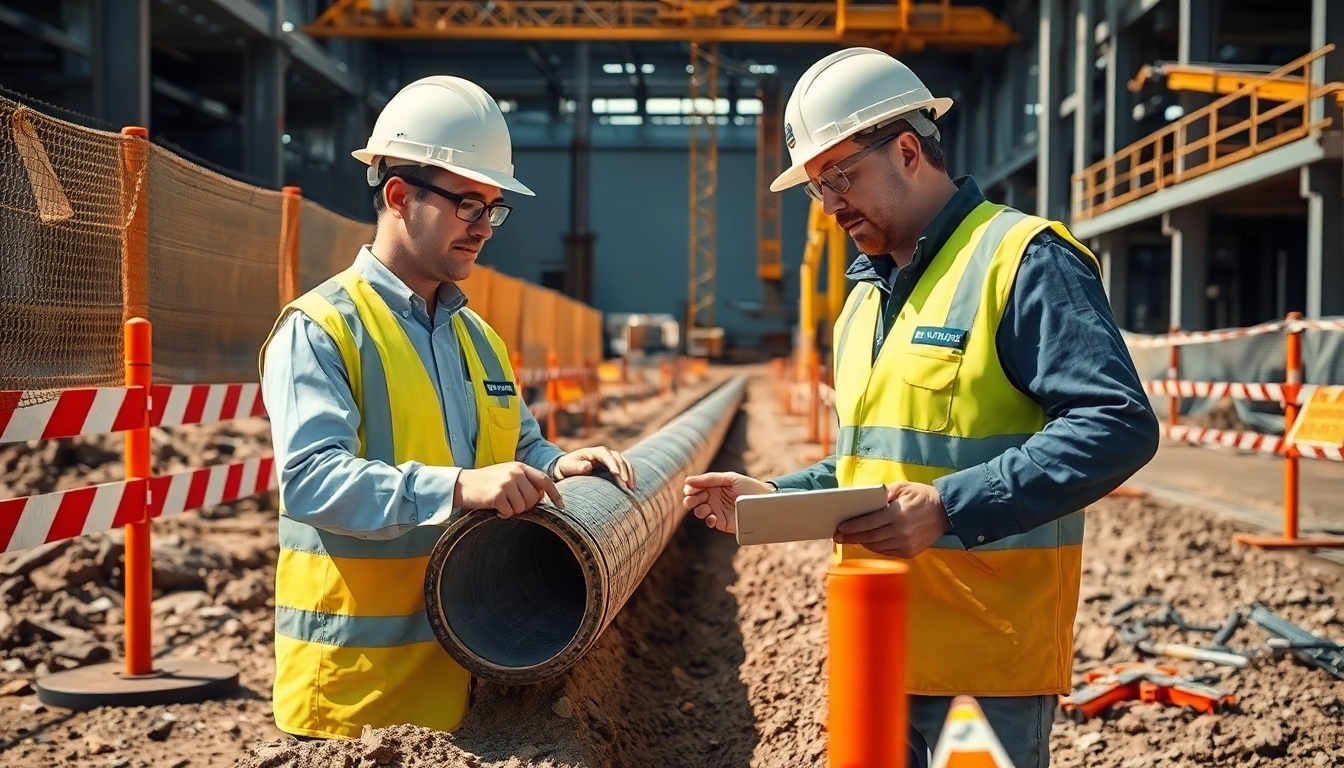
A Cured-in-Place Pipe (CIPP) liner is a trenchless rehabilitation method used for the repair of existing pipelines. This process involves installing a flexible liner coated with resin into the damaged pipe, which is then inflated and sealed against the existing pipe using heat or UV light to cure the resin. The cured liner becomes a new pipe within the old structure, restoring its integrity and extending its lifespan.
Benefits of Pipeline Rehabilitation
The primary advantage of the CIPP lining technology is its cost-effectiveness compared to traditional excavation methods. Key benefits include:
- Minimized Disruption: The trenchless nature of CIPP minimizes surface disruption, making it ideal for urban areas.
- Reduced Downtime: Most applications can be completed in a matter of hours, allowing for minimal service interruption.
- Longevity: CIPP liners can last over 50 years, significantly extending the life of the pipeline.
- Environmental Safety: The method generates less waste and reduces legal liabilities by minimizing the risk of pipeline failures.
Applications in Various Industries
CIPP technologies have diverse applications across various industries:
- Municipal Systems: Used for public sewer and drainage systems, addressing issues like leaks and blockages.
- Oil and Gas: CIPP is utilized in refineries and storage facilities for restoring pipeline integrity.
- Industrial: Manufacturing facilities leverage CIPP for process piping to reduce downtime during maintenance.
- Stormwater Management: CIPP helps mitigate the failure of storm drains, maintaining effective drainage systems.
Key Components of Pipeline Rehabilitation CIPP Liner
Types of CIPP Liners
CIPP liners vary in type based on the specific needs of rehabilitation projects. The main types include:
- Felt Liners: Commonly made from fibrous materials, these liners are suitable for various pipe diameters.
- Woven Liners: Fabricated from resin-impregnated materials for maximum strength and durability.
- Pre-Impregnated Liners: Finished with resin before installation, offering predetermined settings for cure times.
Materials Used
The choice of materials for CIPP lining significantly influences performance. Commonly used materials include:
- Polyester: Offers flexibility and resistance to corrosion, suitable for various pipe types.
- Vinyl Ester: Known for high-performance applications, resistant to chemicals and temperature fluctuations.
- Epoxy Resins: Provide strong adhesion and durability, often used in applications demanding high resistance.
Installation Techniques
Successful installation of CIPP liners requires meticulous planning and execution. Common techniques include:
- Wet-out Process: The liner is saturated with resin before installation, often performed at a dedicated facility.
- Insertion Techniques: The liner is typically inverted or pulled into place using specialized equipment.
- Curing Process: Using steam, hot water, or UV light to cure the resin, ensuring solid adhesion to the host pipe.
Cost Factors for Pipeline Rehabilitation CIPP Liner Projects
Estimating Installation Costs
The cost of a CIPP project can vary widely based on several factors, including pipe size, length, and condition. On average, installation costs for CIPP range from $60 to $100 per foot. Factors influencing costs include:
- Pre-inspection costs
- Type and condition of the existing pipe
- Logistics and site access
- Material costs
Maintenance and Operational Costs
After installation, ongoing maintenance costs for CIPP liners are generally lower than those for traditional materials. These costs can include:
- Routine inspections to monitor the condition
- Potential local repair costs
However, the long-term durability and minimal upkeep of CIPP significantly outweigh these costs.
Comparing Costs with Traditional Methods
When compared to dig-and-replace methods, CIPP is often more cost-efficient. Traditional methods involve significant labor, heavy machinery, and potential damage to existing structures, all of which increase the overall cost. CIPP allows for seamless repairs at lower labor costs and reduced project timelines, making it a more desirable option.
Common Challenges in Pipeline Rehabilitation CIPP Liner
Technical Limitations
While CIPP technology has advantages, there are challenges, such as:
- Limited applicability for severely degraded pipes with structural failures.
- Potential for partial blockages that can impact the liner installation process.
Project Delays and Risks
Delays in projects can arise due to unforeseen conditions discovered during inspections, such as:
- Pavement conditions leading to longer setup times.
- Delayed curing times due to environmental factors or equipment failures.
Environmental Considerations
With environmental regulations tightening, it is critical to ensure that materials used in CIPP projects comply with safety and environmental standards. The potential for chemical exposure during the curing process necessitates careful monitoring and adherence to regulatory guidelines. Proper ventilation and safety equipment must be employed during the installation process to mitigate risks.
Future Trends in Pipeline Rehabilitation CIPP Liner Technologies
Innovations in Materials
Future advancements in CIPP technology focus on highly resilient materials that can withstand extreme environments, contributing to enhanced performance and longevity. Researchers are exploring advanced polymers and composites designed to provide added resistance to common pipeline issues, such as corrosion and chemical exposure.
Advancements in Installation Techniques
Emerging technologies such as robotics and artificial intelligence are expected to play a pivotal role in optimizing installation processes. Enhanced monitoring systems using digital imaging and sensor technologies will drive down installation times and improve overall efficiency.
Regulatory Changes and Impact
As attention towards infrastructure maintenance grows, anticipated regulatory changes will likely influence the CIPP industry. Stricter standards on materials and emissions during pipeline rehabilitation may emerge as governing bodies seek to promote environmentally sound practices and reduce infrastructure failures.
FAQs about Pipeline Rehabilitation CIPP Liner
1. How long does the CIPP installation process take?
Installation typically takes a few hours to a couple of days, with most CIPP projects completed in under 24 hours, depending on project complexity.
2. What is the expected lifespan of a CIPP liner?
CIPP liners can last anywhere from 30 to 50 years, depending on environmental factors and proper installation.
3. Can CIPP be used on all types of pipes?
While CIPP is versatile, it is most effective on pipes with minor to moderate damage. Severely deteriorated or collapsed pipes may require replacement.
4. Is the CIPP process environmentally friendly?
Yes, CIPP is considered environmentally friendly since it minimizes surface disruption and waste generation compared to traditional excavation methods.
5. What maintenance is required after CIPP installation?
Regular inspections to monitor liner condition are recommended. Most CIPP installations need minimal maintenance post-project completion.