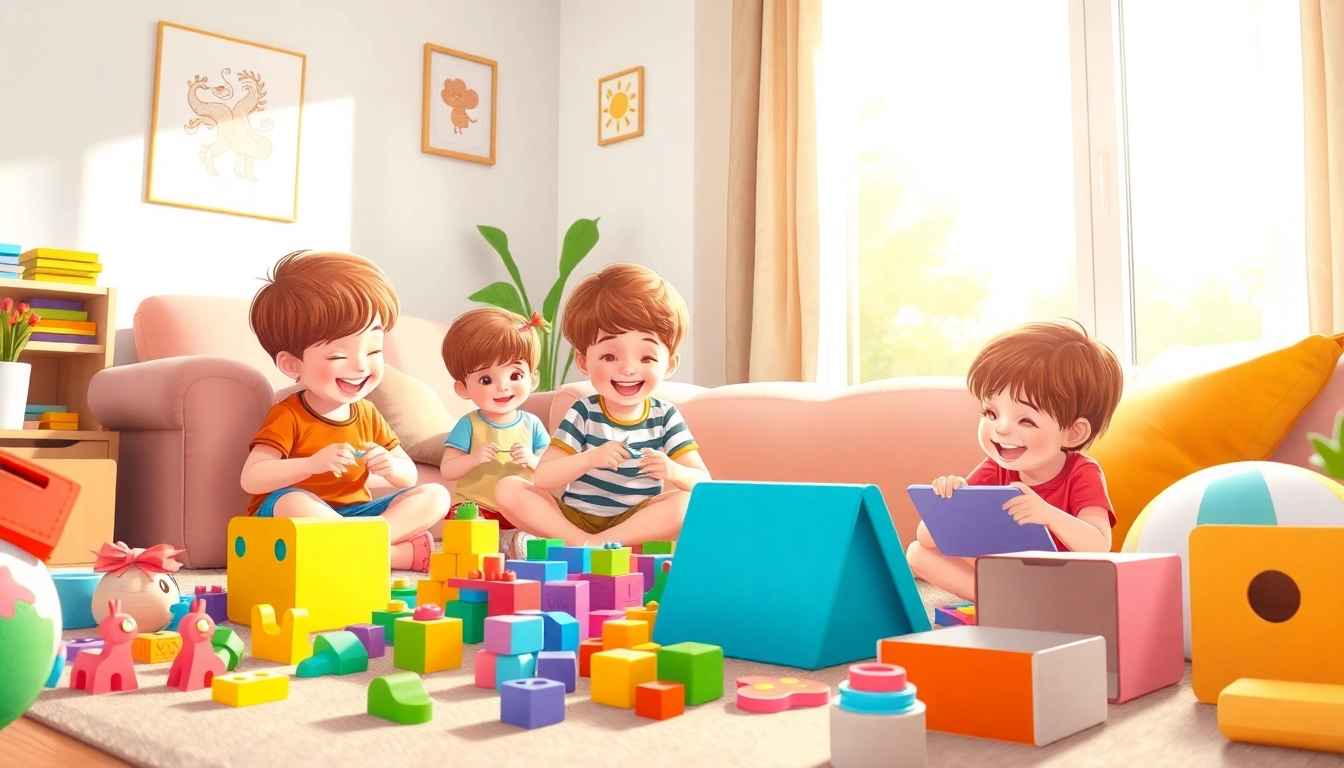
Understanding the Importance of Screen-Free Play
In our technology-obsessed world, finding time for screen-free play might seem difficult, yet it is crucial for healthy child development. Screen-free activities encourage creativity, physical activity, and social interactions, providing a necessary balance to the digital experiences children often have. This article dives deep into the importance of screen-free play, exploring its benefits, effective strategies for encouraging kids to engage in it, and a plethora of fun ideas to keep them entertained and learning. If you want to dive deeper into keeping your kids active in creative ways, learn more today.
Benefits of Screen-Free Activities
Screen-free activities offer numerous benefits for children, enhancing their development in various essential areas:
- Cognitive Development: Engaging in creative play stimulates critical thinking and problem-solving abilities.
- Social Skills: Playing with others, whether through board games or creative group activities, nurtures teamwork and collaboration.
- Physical Health: Encouraging outdoor play fosters physical fitness, combats obesity, and promotes general well-being.
- Mental Health: Screen-free play reduces anxiety and improves focus, leading to greater emotional resilience.
Impact on Child Development
The impact of screen-free activities on child development cannot be overstated. Childhood is a period of rapid growth, and engaging in various activities helps develop essential skills:
- Creativity: Children learn to express themselves in diverse ways, from art to imaginative play, enhancing their creative thinking.
- Logical Thinking: STEM-focused activities teach children how to think logically, encouraging curiosity and exploration.
- Motor Skills: Playtime activities, especially those involving building or crafting, enhance fine motor skills crucial for everyday tasks.
How to Encourage Creative Play
Encouraging kids to engage in creative play can sometimes be challenging. Here are some strategies to foster this kind of environment:
- Limit Screen Time: Establish a routine that prioritizes playtime over screen time to set clear expectations.
- Provide Diverse Materials: Stock up on art supplies, building kits, and other open-ended toys to encourage kids’ imaginative play.
- Be Involved: Join in on the fun by participating in activities with your children or initiating new ones.
- Encouragement and Praise: Acknowledge their creativity and effort, boosting their confidence in their play endeavors.
Top Screen-Free Toy Ideas for Kids
When it comes to toys that stimulate children’s minds and bodies without involving screens, there’s no shortage of exciting options. Below are some top recommendations categorized by theme:
Creative Art Supplies
Art supplies ignite children’s creativity and allow for self-expression. Here are some essential items to consider:
- Acrylic or Watercolor Paints: Foster artistic exploration and experimentation.
- Artistic Drawing Tools: Colored pencils, markers, and chalk create endless possibilities for drawing and doodling.
- Construction Paper and Canvases: Kids can craft their own masterpieces, encouraging open-ended projects.
- Craft Kits: Look for themed kits that guide children through projects such as jewelry making or model assembly.
Engaging STEM Toys
STEM toys not only provide entertainment but also teach fundamental skills in science, technology, engineering, and math:
- Building Blocks: Promotes creativity, spatial awareness, and fine motor skills as kids create structures.
- Science Experiment Kits: Hands-on kits that let children conduct simple science experiments, fostering curiosity.
- Lego Sets: Excellent for imaginative building scenarios and understanding engineering basics.
- Coding Toys: Introduce coding concepts through interactive games that don’t rely on screens.
Outdoor Play Equipment
Outdoor play is vital for children's physical development and health:
- Trampolines: Great for physical activity and playful energy release.
- Climbing Frames: Encourage physical strength, coordination, and confidence.
- Gardening Kits: Teach responsibility and biology through cultivating plants and flowers.
- Sports Gear: Balls, badminton sets, and jump ropes promote physical fitness and teamwork.
Setting Up a Screen-Free Play Zone
Creating an inviting space for screen-free play is essential for triggering children’s interest and creativity. Here are some tips for setting up effective play zones:
Designing an Inspiring Space
The environment significantly influences children’s willingness to play. Here are elements to consider in your play zone:
- Bright Colors: Paint the play area in vibrant colors to stimulate creativity and energy.
- Provide Comfort: Use soft floor materials or cushions for children to sit on during creative activities.
- Declutter: An organized play area helps children focus on activities without distractions.
Organizing Toys Effectively
Organizing toys is crucial for maximizing play opportunities:
- Transparent Storage Bins: Use labeled bins to make it easy for kids to find and put away toys.
- Rotating Toys: Regularly rotate available toys to sustain children’s interest and prevent boredom.
- Accessible Locations: Keep the play zone easy to access while including a variety of materials that children can reach independently.
Incorporating Playtime into the Routine
Establishing a regular playtime schedule is vital for instilling routine:
- Designated Play Hours: Dedicate specific times in the day for uninterrupted play, ensuring screen-free practices become a habit.
- Combine Play with Learning: Integrate play into learning tasks like chores, fostering creativity alongside responsibility.
- Encourage Group Play: Arrange playdates to foster social interactions, integrating teamwork into the experiences.
Examples of Screen-Free Activities
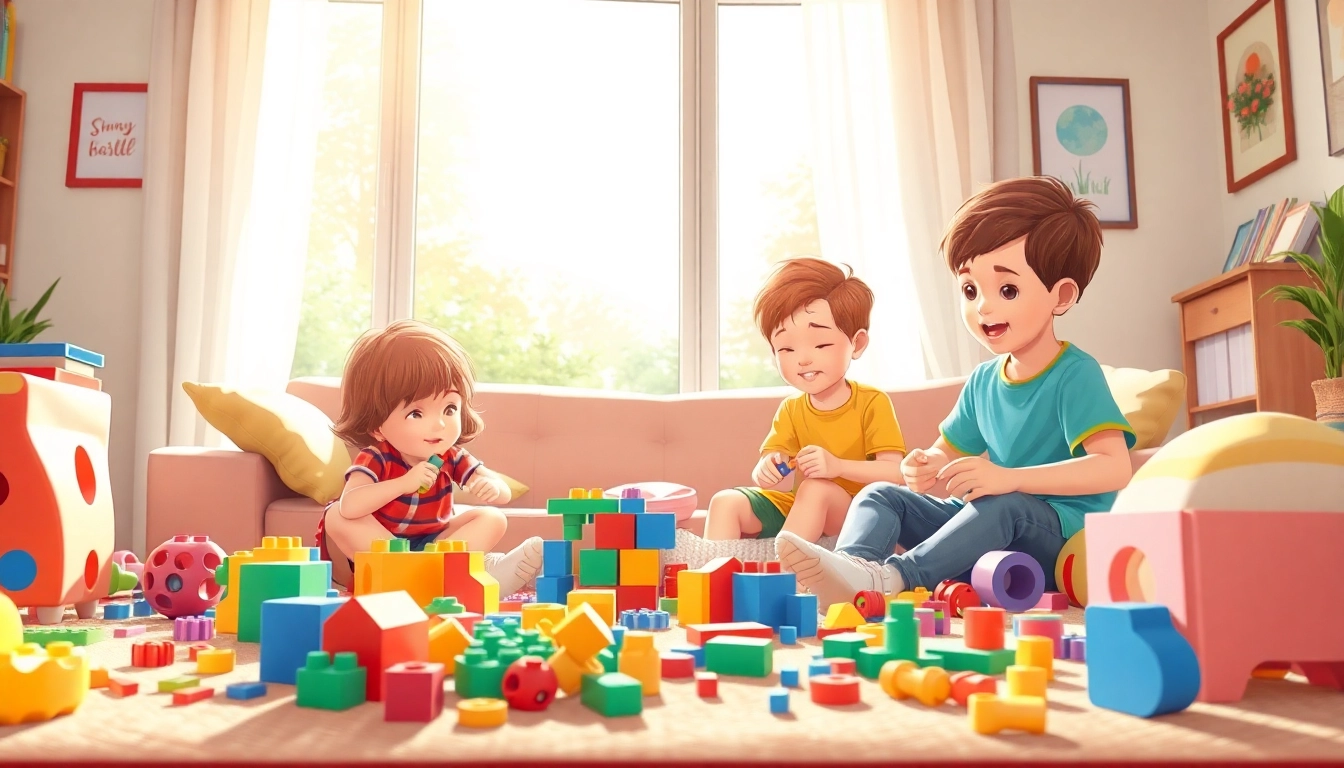
Here are a few engaging screen-free activity ideas that promote creativity and physical play:
Arts and Crafts Projects
Creating art allows children to express themselves freely and boosts their creativity:
- Nature Collages: Have children gather leaves, flowers, and other natural materials to create collages.
- Handmade Greeting Cards: Encourage kids to use craft supplies to design personalized cards for family and friends.
- Painting Rocks: A fun activity that can transform ordinary stones into decorative items.
DIY Building Projects
Building projects engage children’s problem-solving abilities while cultivating a sense of achievement:
- Cardboard Forts: Use cardboard boxes to create forts, igniting children’s imaginations.
- Simple Birdhouses: Involve them in a DIY project by building birdhouses to encourage creativity.
- Wooden Block Structures: Encourage the construction of various designs, allowing for lessons in physics and architecture.
Outdoor Adventures and Games
Encouraging outdoor play not only engages kids physically but also instills a love for nature:
- Nature Scavenger Hunts: Provide a list of items to find outdoors, enhancing observational skills.
- Backyard Obstacle Course: Set up challenges to test physical skills, from running to climbing.
- Picnics: Combine food and fun by organizing a picnic in a local park, engaging in games like frisbee or tag.
FAQs about Screen-Free Play
What age is best for screen-free toys?
Screen-free toys are beneficial for all ages but are particularly great for preschoolers, aged 2-5, to stimulate creativity and development.
How do screen-free toys help with learning?
These toys promote hands-on learning, encouraging critical thinking and problem-solving skills in children through active engagement.
What are some affordable screen-free toys?
Consider DIY crafts, building blocks, and outdoor exploration kits that engage children's creativity without a screen dependency.
How can I encourage my kids to play without screens?
Create a dedicated play space, introduce various toys, and schedule regular times for screen-free play to keep them engaged and excited.
Why are screen-free toys essential today?
With increasing technology in daily life, screen-free toys help develop social skills, creativity, and physical activity in children, promoting holistic development.