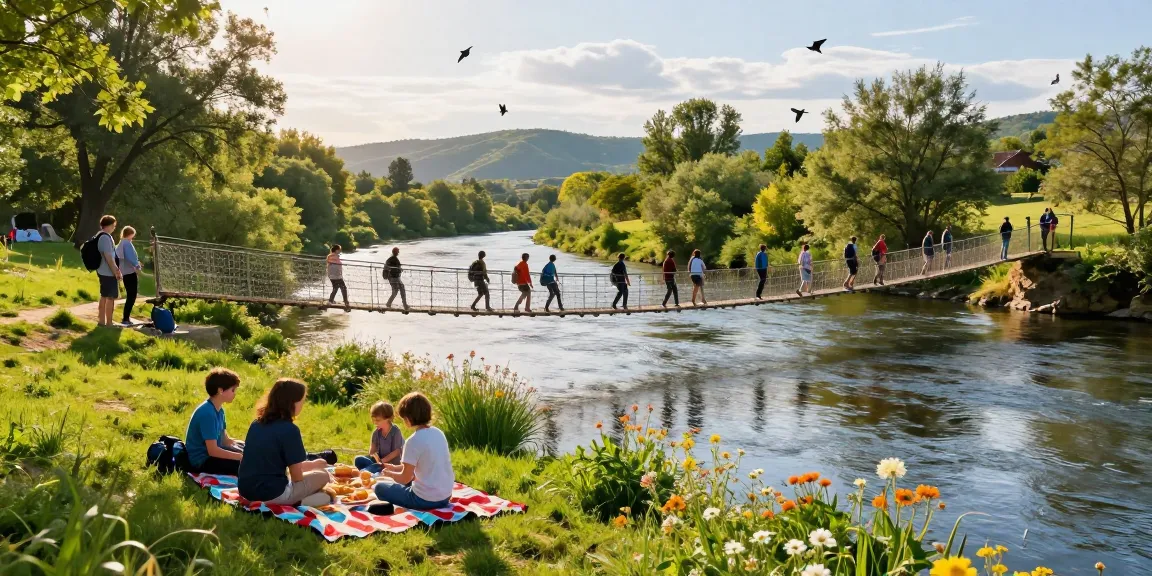
Understanding River Rope Bridges
As a unique intersection of engineering and nature, river rope bridges serve as both functional pathways and striking visual landmarks. These bridges, typically constructed from sturdy ropes and planks, span across rivers, gorges, and other natural obstacles, making them essential for adventurers, hikers, and even local wildlife. This article delves into the rich history, various designs, and the contemporary relevance of these fascinating structures, providing insights that can aid anyone interested in the intricacies of river crossings.
When exploring options, River Rope Bridge designs often emphasize safety, durability, and aesthetic appeal, catering to a variety of needs from recreational to practical applications.
What is a River Rope Bridge?
A river rope bridge is a type of suspension bridge built primarily from ropes and wooden planks. These bridges can be found worldwide, often in rugged terrains where traditional bridge-building materials may be impractical. They are characterised by their flexible nature, allowing them to swaying with the wind or the movement of individuals crossing them, which can enhance the overall experience of traversing a river.
Historical Significance of Rope Bridges
Rope bridges have a rich historical narrative, tracing back thousands of years to indigenous peoples and early civilisations that relied on them for crossing rivers in challenging landscapes. One notable example is the Q'eswachaka Bridge in Peru, built by the Inca Empire, which is woven from grass and remains an emblem of traditional craftsmanship. The endurance of such bridges is a testament to their functionality and their cultural importance in various societies.
Types of River Rope Bridges
- Simple Suspension Bridges: These feature a straightforward design with a single set of cables supporting the deck, making them easy to construct.
- Multiple Span Bridges: Ideal for larger bodies of water, these bridges use multiple segments and cables to distribute weight effectively.
- Hanging Bridges: Often found in tropical locations, these bridges dangle between trees, providing a scenic crossing over rivers or ravines.
Benefits of River Rope Bridges
River rope bridges offer numerous advantages, especially in natural settings where more conventional constructions are impractical. Their lightweight design allows them to be installed with minimal environmental disruption, promoting sustainable building practices while enhancing accessibility in hard-to-reach areas.
Enhancing Accessibility in Natural Areas
Many outdoor enthusiasts utilise river rope bridges to access remote hiking trails or campsites. By providing a safe and easy passage over rivers, these bridges improve the overall user experience in natural areas, allowing for greater exploration without environmental interference.
Environmental Impact and Sustainability
The construction of river rope bridges often adheres to sustainable practices. Most designs require fewer materials than traditional bridges, and they can be erected with minimal impact on the surrounding ecosystem. Moreover, their flexibility allows them to withstand natural elements, reducing the need for frequent repairs and ultimately leading to a lower environmental footprint.
Safety Measures and Construction Standards
While river rope bridges are generally safe, proper construction techniques and regular maintenance are essential. Builders must adhere to guidelines that govern the tensile strength of the materials and ensure all components can withstand the expected load. Additionally, public awareness campaigns regarding safe crossing practices are vital in maintaining user safety.
Designing Your Own River Rope Bridge
For those interested in creating a custom river rope bridge, understanding the foundational elements is crucial. This section outlines the essential materials and steps required to construct a reliable and safe bridge.
Essential Materials and Tools
- Heavy-Duty Rope: Nylon or polyester ropes provide the necessary strength and durability.
- Wooden Planks: Treated lumber or composite materials can be used for the bridge deck.
- Anchor Points: Secure and stable anchors are crucial for the bridge's structural integrity.
Steps to Construct a Safe and Effective Bridge
- Evaluate the location and determine the span distance.
- Secure anchor points on both banks of the river.
- Install the main ropes, ensuring they are taut and properly secured.
- Attach wooden planks to create a stable walking surface.
- Regularly inspect the bridge for wear and make necessary adjustments.
Common Pitfalls to Avoid in Bridge Design
One of the most significant mistakes in designing river rope bridges is underestimating the load capacity. It is crucial to calculate the expected foot traffic and environmental factors accurately. Additionally, neglecting regular maintenance can lead to premature wear and safety hazards.
Rope Bridge Applications and Innovations
The applications of river rope bridges extend beyond mere crossings; they can also serve unique purposes in various settings. Here, we explore the innovative use of these structures in the outdoor industry and beyond.
Uses in Adventure Parks and Outdoor Activities
Adventure parks often utilise river rope bridges as part of their obstacle courses, enhancing the thrill of outdoor activities. They challenge physical endurance and skill while providing a safe environment for recreation. This integration promotes not just fitness but also environmental awareness among participants.
Emerging Technologies in Bridge Construction
As technology evolves, so do the methods of constructing river rope bridges. Innovations such as advanced synthetic materials promise greater durability and lighter structures. Additionally, 3D modelling and simulation technologies aid in designing bridges that minimise environmental impact while meeting safety standards.
Case Studies of Successful Rope Bridge Projects
Several successful projects illustrate the diverse applications of river rope bridges worldwide. In Indonesia, a network of rope bridges connects isolated communities, facilitating both trade and social interaction. In the UK, rope bridges installed in parks have encouraged greater foot traffic and conservation efforts, demonstrating their environmental and social value.
Future Trends for River Rope Bridges
The future of river rope bridges looks promising as the demand for sustainable and innovative infrastructure continues to grow. This section examines predictions and trends that may shape their development in the coming years.
Predicted Developments for 2026 and Beyond
Anticipated trends include the increased use of eco-friendly materials and designs that blend seamlessly into natural landscapes. Moreover, as urban areas seek to encourage outdoor activities, river rope bridges may become a staple in public parks and recreation areas, serving dual purposes as artwork and functional structures.
Integrating Bridges into Eco-Tourism
As eco-tourism gains traction, river rope bridges are likely to play an essential role in maintaining access to unspoiled natural areas. Their appeal as scenic viewpoints enhances visitors' experiences while fostering a connection with nature, making them integral to sustainable tourism strategies.
Community Involvement in Bridge Projects
Engaging local communities in the design and construction of river rope bridges can foster a sense of ownership and stewardship. Educational programs that involve students and residents in bridge-building workshops can promote skills development and strengthen community bonds, leading to a culture of sustainability.
What Are the Advantages of Building Rope Bridges?
The primary advantages of building rope bridges include their low environmental impact, relative cost-effectiveness, and adaptability to various terrains. They can be quickly constructed with minimal disruption to the landscape, making them ideal for remote areas.
How Much Does It Cost to Build a River Rope Bridge?
The cost of building a river rope bridge can vary significantly based on factors like location, materials used, and design complexity. However, they are generally more affordable than traditional bridges, making them an attractive option for communities and private developers alike.
Where Can You Find the Best Examples of River Rope Bridges?
Many stunning examples of river rope bridges exist around the world, from the iconic Carrick-a-Rede in Northern Ireland to the picturesque Q'eswachaka in Peru. These bridges not only serve practical purposes but also attract tourists, contributing to local economies.
What Are the Safety Protocols for Crossing River Rope Bridges?
Safety protocols for crossing river rope bridges include ensuring that only a limited number of individuals are on the bridge at one time, maintaining a clear pathway, and wearing appropriate footwear. Regular inspections also play a vital role in ensuring the bridge remains safe for use.
Can Rope Bridges Be Built by DIY Enthusiasts?
Yes, with proper research and safety precautions, DIY enthusiasts can successfully build their own river rope bridges. It is essential to follow guidelines and consult with professionals, especially for larger or more complex designs, to ensure safety and durability.