Understanding the Importance of Screen-Free Play
In a world increasingly dominated by screens, it is crucial to understand the significance of screen-free play for children. Engaging in activities that do not involve electronic devices is essential for developing creativity, social skills, and problem-solving abilities. Through screen-free play, children can fully immerse themselves in imaginative scenarios that foster cognitive development. To delve deeper into innovative ways to keep kids occupied and promote creativity, learn more today.
The Impact of Screen Time on Children
Screen time has become a staple in many households, with children exposed to various devices from an early age. While technology can provide educational benefits, excessive screen time can lead to a range of developmental issues. Studies suggest that too much screen exposure can result in decreased attention spans, impaired social skills, and poorer academic performance. Notably, children who spend lengthy periods in front of screens often exhibit difficulties in regulating emotions and communicating effectively with peers.
Benefits of Creative Play
Creative play offers invaluable benefits that contribute to a child's well-being and development. Through imaginative play, children explore their emotions, take risks, and confront challenges in a safe environment. This form of play enhances their ability to think critically and promotes higher-level thinking. Activities involving arts and crafts, building sets, or role-play scenarios can stir creativity and help children learn to cooperate with others, negotiate, and engage in teamwork.
Creating a Balanced Activity Schedule
To foster a healthy relationship with play, parents can create a balanced activity schedule that interweaves various forms of play, including both screen-free and digital experiences. A well-rounded schedule could involve outdoor activities, creative arts, and cooperative games, ensuring that children are not solely reliant on screens for entertainment. Setting aside dedicated times for screen-free activities can help reinforce the idea that engaging in imaginative play is equally rewarding.
Innovative Ideas for Screen-Free Toys
Building and Construction Toys
Building toys serve as an excellent medium for encouraging creativity and critical thinking. Sets that include blocks, magnetic tiles, or construction kits empower children to experiment with design principles, spatial awareness, and engineering concepts. By engaging in construction play, children can develop patience and resilience, learning the importance of trial and error. Such activities not only enhance motor skills but also cultivate a sense of accomplishment upon completion of a project.
Art and Craft Supplies
Art and craft supplies are the perfect instruments for self-expression. From crayons and markers to clay and collage materials, these tools allow children to create whatever their imaginations conjure. Art stimulates the brain, promoting cognitive and emotional development. It provides a tactile experience that digital devices cannot replicate. Furthermore, engaging in art helps improve fine motor skills, and focusing on a project fosters concentration and diligence.
Puzzles and Board Games
Puzzles and board games combine fun and educational value, making them outstanding screen-free pastimes. These activities encourage strategic thinking, enhance problem-solving abilities, and promote social interaction. The collaborative nature of many board games allows children to learn important life skills, like handling losses gracefully and appreciating cooperation. Choosing age-appropriate puzzles can also enhance spatial reasoning, making them not just fun but beneficial to cognitive growth.
How to Set Up a Screen-Free Play Area
Choosing the Right Location
Designing a dedicated screen-free play area is an excellent way to encourage children to engage in imaginative play. The selected location should be spacious, comfortable, and free of distractions. Consider utilizing a corner of a room or a playroom dedicated solely to toys and activities that stimulate creativity. Natural light and ventilation can enhance the overall atmosphere, making it a desirable spot for play.
Organizing Toys for Accessibility
An organized play area can encourage children to take the initiative and explore their toys independently. Grouping items by category—such as arts and crafts, building materials, or games—can make it easier for kids to find what they want. Clear storage bins or labeled shelves can help maintain tidiness, teaching children the value of organization while ensuring easy access to their favorite toys.
Incorporating Nature into Play
Incorporating elements of nature into play encourages hands-on exploration and learning. Outdoor playtime can include gardening, scavenger hunts, or nature crafts. This connection fosters not only a sense of wonder and curiosity about the environment but also promotes physical activity. Natural materials such as leaves, stones, and twigs can inspire creativity and provide a sensory experience unavailable through screens.
Inspiring Creativity Through Play
Encouraging Imaginative Role Play
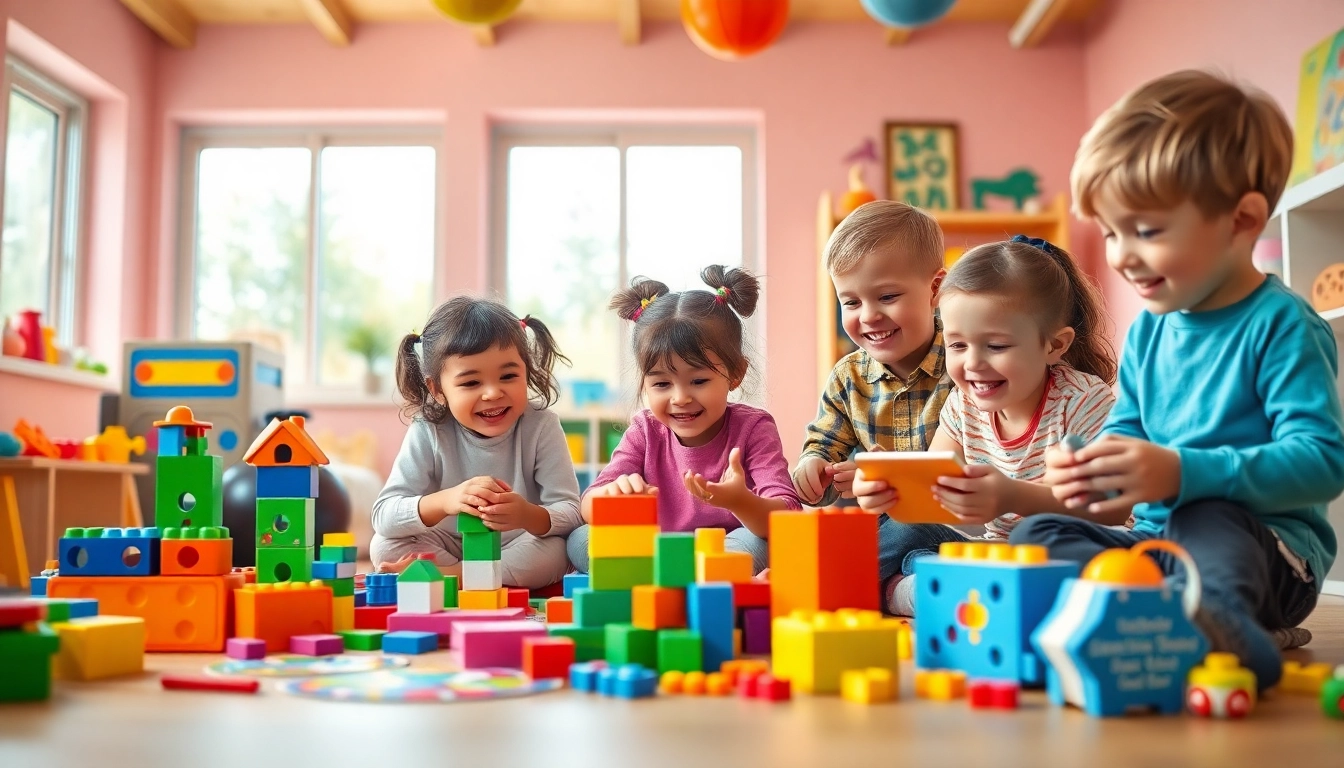
Imaginative role play is an exceptional avenue for exploring different personas and scenarios. Providing costumes, props, and space for dramatic play can spark creativity and enrich storytelling abilities. Children learn to navigate different relationships and roles, fostering empathy and understanding. The transformative experience of role play can make learning about diverse cultures and professions an engaging adventure.
Combining Learning with Fun Activities
Bridging educational concepts with play can make learning enjoyable. Introducing learning through games and hands-on activities can reinforce concepts children encounter in school, such as math or literacy. Games that involve counting, spelling, or strategy inherently foster skills while engaging playful interaction. This blend of fun and education helps instill a love for learning that extends far beyond the classroom.
Engaging in Group Activities
Group activities enhance social skills and create opportunities for cooperative play. Organizing activities like team-building games, cooperative arts and crafts, or group storytelling sessions fosters teamwork. These interactions enrich children's emotional intelligence and social understanding, making it easier for them to connect and build friendships. Emphasizing group play also teaches children the importance of sharing, patience, and mutual respect.
Frequently Asked Questions
What are the best screen-free toys for young children?
The best options include building blocks, art supplies, puzzles, and board games that suit their specific interests and developmental stages, promoting various skills.
How to encourage my child to engage with toys?
Set aside regular playtime, participate in activities together, and incorporate varied play options that captivate their interest and creativity.
What are the developmental benefits of creative play?
Creative play enhances cognitive development, improves social skills, boosts emotional expression, and fosters problem-solving abilities in children.
How can I limit my child's screen time effectively?
Set clear boundaries for screen usage, establish screen-free hours, and provide engaging alternatives that promote creativity and active play.
What should I include in a screen-free play area?
Include a range of toys such as building sets, art materials, puzzles, and books, as well as comfortable seating and adequate lighting for an inspiring atmosphere.